
Why Small Group Personal Training Is Worth Considering
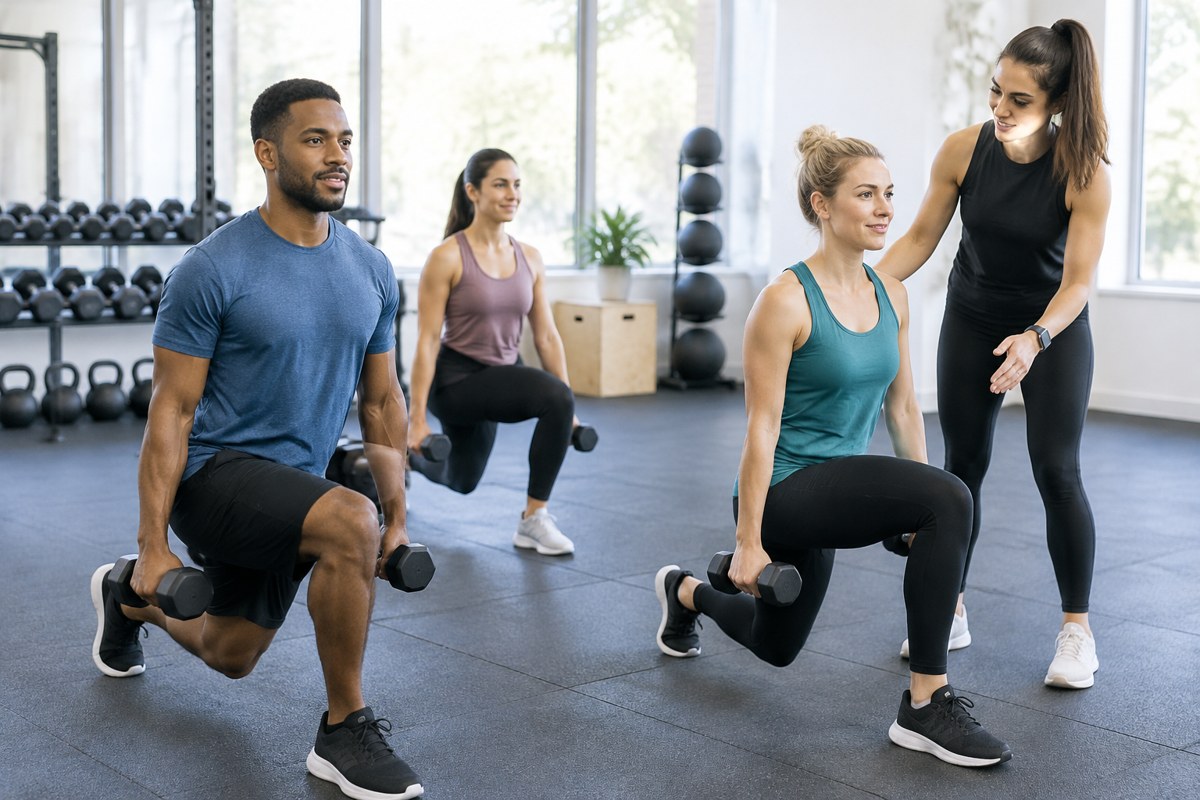
Finding the right workout routine can feel overwhelming. Some people enjoy exercising alone, while others need extra motivation to stay consistent. Traditional personal training offers individual attention, but it can sometimes feel expensive. Large fitness classes create an energetic environment, yet participants may not receive enough personal guidance. So, is there a better option?
Small group personal training brings these two approaches together. It combines professional coaching, personalized workouts, and the motivation of exercising with others. You get expert guidance without training completely alone. At the same time, you can enjoy a friendly atmosphere that makes fitness more exciting.
Whether you want to build strength, improve endurance, lose weight, or develop healthier habits, this training style offers several advantages. It also helps you stay accountable while working toward realistic fitness goals. Let's explore why small group personal training is worth considering and how it can make your fitness journey more enjoyable.
1. What Is Small Group Personal Training?
Small group personal training involves exercising with a few other people under the guidance of a qualified fitness professional. Unlike large workout classes, these sessions allow trainers to give participants more individual attention. Group sizes typically vary by facility and program, but the goal remains the same: provide professional coaching in a supportive environment.
During small group fitness training, participants may share similar goals while following exercises suited to their individual abilities. For example, one person might focus on building strength, while another wants to improve endurance. A knowledgeable trainer can adjust exercises, weights, and intensity to meet different needs.
This approach offers a balance between individual coaching and group energy. Instead of following a general workout without much guidance, you receive feedback and support throughout your training.
A typical session may include:
- A short warm-up to prepare your body.
- Strength exercises using weights or resistance bands.
- Cardio activities to improve endurance.
- Functional movements that support everyday activities.
- A cool-down with stretching and recovery exercises.
As a result, participants can enjoy structured workouts while benefiting from professional supervision.
2. Enjoy Personalized Attention Without Training Alone
One of the biggest small group personal training benefits is the opportunity to receive individual guidance in a shared workout environment. You don't have to figure out every exercise yourself. Instead, your trainer explains movements, demonstrates proper techniques, and provides feedback throughout each session.
A small group personal trainer can also modify exercises based on your experience, fitness level, and physical abilities. For example, beginners might perform bodyweight squats, while experienced participants use additional resistance. Everyone can work toward personal goals without needing to complete identical exercises.
This personalized approach can make workouts safer and more effective. Proper coaching helps you understand your movements and avoid common technique mistakes.
Personalized coaching can help you:
- Learn proper exercise techniques.
- Choose suitable weights and resistance levels.
- Improve your workout performance.
- Identify areas that need improvement.
- Build confidence with unfamiliar exercises.
The best part? You receive professional support while enjoying the company of other people. That combination makes personal training in small groups a practical choice for many fitness enthusiasts.
3. Stay Motivated With a Supportive Fitness Community
Staying motivated is often harder than starting a fitness routine. You might feel excited during the first few weeks, but busy schedules, tiredness, and everyday responsibilities can interrupt your progress. That's where group exercise motivation makes a difference.
When you participate in group personal training sessions, you become part of a supportive fitness environment. You see other people working toward their goals, celebrating improvements, and overcoming challenges. Their commitment can encourage you to keep showing up.
Additionally, training with familiar faces makes exercise more enjoyable. Instead of viewing every workout as another task on your schedule, you begin to look forward to meeting your training partners.
A supportive group can help you:
- Stay consistent with scheduled workouts.
- Celebrate personal achievements.
- Develop positive exercise habits.
- Feel more confident during challenging sessions.
- Build friendships with people who share similar interests.
Of course, everyone's fitness journey is different. A healthy group environment encourages personal improvement rather than unhealthy competition. The goal is to become stronger and healthier at your own pace.
4. Get More Value With Affordable Personal Training
Professional coaching can make a major difference in your fitness journey. However, the cost of individual training sessions may not fit every budget. Small group programs offer another way to access expert guidance while sharing some training costs with other participants.
This makes affordable personal training more accessible to people who want professional support without paying for every session individually. You still benefit from a qualified trainer, structured workouts, and helpful feedback.
Compared with some traditional one-on-one arrangements, small group training can provide a more budget-friendly option. However, actual prices depend on the facility, session length, trainer experience, and group size.
Another option is semi-private personal training. This format usually involves a small number of participants, allowing for more individual coaching while maintaining a shared training environment.
Before choosing a program, consider the following:
- Compare session prices and membership options.
- Ask about the maximum group size.
- Check whether fitness assessments are included.
- Understand what equipment and facilities are available.
- Look for flexible scheduling options.
Remember, the cheapest program isn't always the best choice. Focus on finding a service that offers qualified coaching, suitable workouts, and good value for your investment.
5. Follow Customized Workouts That Match Your Fitness Goals
Not everyone exercises for the same reason. Some people want to lose weight, others want to build muscle, and many simply want to feel healthier. Therefore, an effective training program should consider individual goals instead of treating everyone exactly alike.
Customized group workout plans help address these differences. Your trainer can select suitable exercises, adjust resistance, and modify workout intensity according to your current abilities.
For example, a beginner may need additional guidance with basic movements. Meanwhile, someone with previous training experience might benefit from more challenging exercises. Both participants can train together while following appropriate modifications.
Personalized group workouts may include:
- Strength exercises for muscle development.
- Cardio activities for better endurance.
- Functional training for everyday movement.
- Mobility exercises for improved flexibility.
- Core training for stability and balance.
A good trainer also monitors progress and makes adjustments when necessary. As your fitness improves, your workouts can gradually become more challenging.
This flexibility helps keep your routine relevant, engaging, and aligned with your long-term goals.
6. Build Strength and Improve Overall Fitness
Strength training is an important part of a balanced fitness routine. It helps develop stronger muscles, supports everyday movement, and improves physical performance. However, lifting weights without proper guidance can lead to poor technique and unnecessary strain.
Strength training in small groups provides an opportunity to learn correct movements under professional supervision. Your trainer can demonstrate exercises, recommend appropriate resistance, and monitor your technique.
Small group strength training may include exercises such as:
- Squats and lunges.
- Dumbbell presses and rows.
- Resistance band exercises.
- Deadlift variations.
- Core strengthening movements.
These exercises can target different muscle groups and support overall physical development.
In addition, your trainer can introduce progressive challenges as your abilities improve. You might increase resistance, adjust repetitions, or learn more advanced movement variations.
The important thing is to progress gradually. Good training focuses on consistent improvement rather than lifting the heaviest weight in the room.
7. Develop Better Fitness Accountability and Consistency
One common reason people struggle with exercise is a lack of accountability. Without a clear schedule or someone checking their progress, skipping workouts can become a habit.
Small group fitness training creates a more structured environment. Scheduled sessions encourage you to make exercise part of your weekly routine. Your trainer also helps monitor your participation and provides guidance when you need extra encouragement.
Fitness accountability becomes even stronger when you train with people who recognize your efforts. Knowing that your group expects to see you can make it easier to stay committed.
Here are a few ways to improve accountability:
- Set realistic weekly fitness goals.
- Attend sessions according to a consistent schedule.
- Track improvements in strength and endurance.
- Celebrate small achievements.
- Discuss challenges with your trainer.
However, accountability should never become pressure. Your trainer should understand that recovery, rest, and personal responsibilities are also important.
With the right balance, regular training can become a sustainable part of your lifestyle rather than a temporary fitness challenge.
8. Enjoy the Benefits of Professional Group Fitness Coaching
A great workout involves more than choosing exercises and completing repetitions. You also need proper instruction, suitable modifications, and a training environment that supports your progress.
Professional group fitness coaching brings these elements together. Your trainer helps organize each session, explains the purpose of different exercises, and provides feedback throughout your workout.
Unlike some general small group workout classes, personal training sessions typically place greater emphasis on individual goals and coaching. This distinction is important when you want more than simply following an instructor.
Group fitness coaching can also introduce you to exercises you might not try independently. You can learn new movement patterns, explore different training methods, and gradually develop confidence.
Another advantage is variety. Your trainer can introduce different exercises and workout formats to keep sessions interesting.
For example, your weekly routine might include:
- Monday: Full-body strength training.
- Wednesday: Cardio and endurance exercises.
- Friday: Functional fitness and core training.
The exact schedule will depend on your goals, experience, and recovery needs. A qualified trainer can help determine an appropriate plan.
9. How to Choose the Right Small Group Training Program
Not every fitness program offers the same experience. Before joining, take time to understand how the sessions work and whether the program matches your expectations.
Start by considering the group size. Smaller groups may provide more opportunities for individual feedback, but the quality of coaching matters just as much.
Next, research the trainer's qualifications and experience. Look for someone who understands different fitness levels and can modify exercises when necessary.
You should also ask about the program structure. A good training plan should include appropriate warm-ups, well-organized exercises, and enough time for recovery.
Here are a few important questions to ask before joining:
- How many participants attend each session?
- Does the trainer customize exercises for different fitness levels?
- Are beginners welcome?
- How is individual progress monitored?
- What happens if someone needs an exercise modification?
- Are trial sessions or fitness assessments available?
You should also consider the training environment. Choose a facility where you feel comfortable, supported, and encouraged.
If you're looking for professional fitness guidance, explore the services offered by CS Sports and Fitness. Finding a training program that matches your goals is an important first step toward building a consistent exercise routine.
Final Thoughts
Small group personal training offers a practical way to combine professional coaching, individual attention, and the motivation of a supportive fitness community. It can help you develop strength, improve endurance, build confidence, and stay consistent with your workouts.
Whether you're new to exercise or looking for a fresh approach to fitness, this training format gives you an opportunity to work toward your goals alongside others. You also benefit from structured sessions, exercise modifications, and guidance from a fitness professional.
Most importantly, you don't have to compete with anyone or rush your progress. Focus on your abilities, celebrate improvements, and build healthy habits that last.
Ready to take the next step? Visit CS Sports and Fitness to explore your fitness options and find a training approach that supports your goals.
FAQs
1. What is small group personal training?
It is a training format where a small number of participants exercise together under the supervision of a personal trainer.
2. Is small group personal training good for beginners?
Yes. Trainers can modify exercises and provide guidance based on individual fitness levels and experience.
3. How many people are in a small group training session?
Group sizes vary by facility. Many programs accommodate approximately 2 to 6 participants, although some may be larger.
4. Is small group personal training cheaper than one-on-one training?
Generally, yes. Participants share training costs, making professional coaching more affordable.
5. Can I build muscle with small group training?
Yes. A properly designed strength program can help improve muscle strength and development.