
Fitness Coach vs. Personal Trainer: What's the Difference?
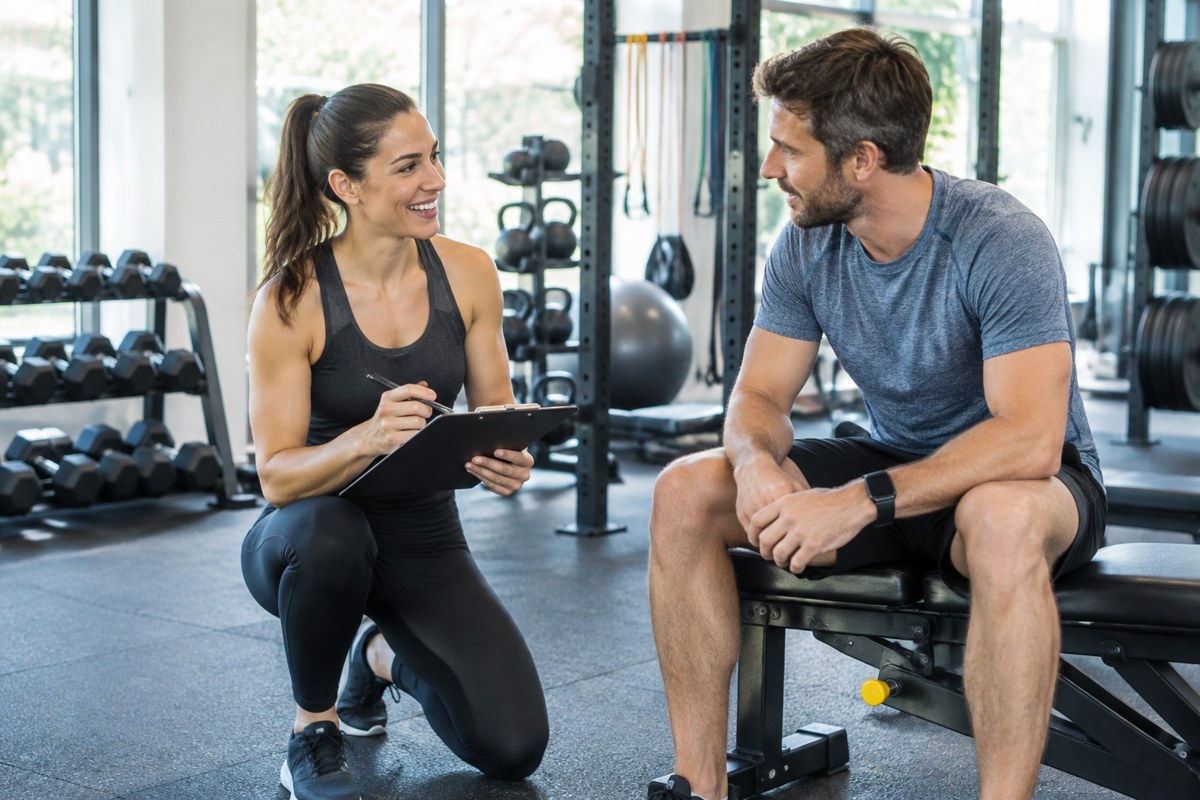
Getting fit is about more than lifting weights or spending hours at the gym. It takes the right plan, consistent effort, and professional guidance to achieve lasting results. However, when you start looking for fitness support, you may come across two common options: a fitness coach and a personal trainer. Although these professionals share similar goals, they do not always offer the same services.
So, what is the difference between a fitness coach and a personal trainer? A personal trainer usually focuses on exercise techniques, workout routines, and physical performance. On the other hand, a fitness coach takes a broader approach by helping you build healthy habits, stay motivated, and maintain long-term progress.
Both professionals can help you improve your health and fitness. However, the right choice depends on your lifestyle, experience, and personal goals. Let's explore their responsibilities, benefits, and differences so you can decide which professional is the best fit for your fitness journey.
1. What Is a Fitness Coach?
A fitness coach is a professional who helps people develop healthier lifestyles and achieve long-term fitness goals. Instead of focusing only on exercise, a fitness coach looks at your overall routine, including physical activity, motivation, consistency, and healthy habits.
Think of a fitness coach as someone who helps you stay on track. Whether you want to lose weight, improve endurance, build strength, or become more active, they can create a practical approach that fits your daily schedule.
Fitness coaching also focuses on understanding your challenges. For example, you might struggle to find time for exercise or lose motivation after a few weeks. A fitness coach can help you identify these problems and develop realistic solutions.
Common fitness coach responsibilities include:
- Understanding your current fitness level and lifestyle.
- Helping you establish realistic fitness goals.
- Creating customized fitness programs.
- Providing regular progress reviews.
- Building healthy exercise habits.
- Offering fitness motivation and accountability.
- Helping you maintain long-term consistency.
A certified fitness coach may also work with other health professionals when clients need specialized nutritional, medical, or rehabilitation support.
Ultimately, fitness coaching benefits people who want more than a workout routine. It provides ongoing guidance and encouragement to help you make fitness a sustainable part of your life.
2. What Is a Personal Trainer?
A personal trainer is a fitness professional who helps individuals improve their physical fitness through structured exercise programs. Their primary focus is helping clients perform exercises safely, develop proper techniques, and achieve specific physical results.
For example, if you want to build muscle, improve flexibility, increase strength, or lose weight, a personal trainer can design a workout plan based on your abilities and objectives.
Unlike general gym workouts, personal training provides professional workout guidance. Your trainer observes your movements, corrects mistakes, and adjusts exercises according to your progress.
This support can be especially helpful if you are new to exercise. Instead of guessing which machines to use or how many repetitions to complete, you receive clear instructions throughout your workout.
Common personal trainer responsibilities include:
- Assessing your physical fitness level.
- Designing personalized workout plans.
- Teaching correct exercise techniques.
- Supervising strength training sessions.
- Adjusting workout intensity.
- Monitoring exercise performance.
- Helping prevent avoidable exercise-related injuries.
- Tracking physical improvements.
A certified personal trainer has completed relevant professional education and certification requirements. Depending on their qualifications, they may also have additional training in areas such as strength conditioning, weight management, or specialized exercise programs.
In simple terms, personal training focuses on helping you exercise correctly, safely, and effectively.
3. Fitness Coach vs. Personal Trainer: Key Differences
Although both professionals support your health and fitness, their approaches can be different. Understanding these differences can help you choose the right service.
A personal trainer generally concentrates on your physical workouts. A fitness coach, meanwhile, often considers your overall fitness routine and the habits that influence your progress.
Here is a simple comparison:
| Comparison | Fitness Coach | Personal Trainer |
|---|---|---|
| Main focus | Overall fitness development | Physical exercise |
| Primary goal | Long-term lifestyle improvement | Physical performance |
| Workout plans | May provide or coordinate plans | Creates exercise programs |
| Motivation | Ongoing encouragement | Workout motivation |
| Accountability | Broader lifestyle habits | Workout consistency |
| Progress tracking | Overall fitness habits | Physical performance |
| Guidance | Fitness habits and goals | Exercise techniques |
| Best for | Long-term lifestyle changes | Structured workout support |
However, these roles can overlap. Many experienced fitness professionals provide both coaching and personal training services.
For example, a personal trainer may help you establish exercise habits, while a fitness coach may provide structured workout guidance within their qualifications.
Therefore, the difference between a fitness coach and a personal trainer is not always about their job titles. Their actual qualifications, experience, and services matter just as much.
4. Understanding the Benefits of Fitness Coaching
Fitness coaching can make a major difference when you struggle to maintain consistency. Starting a fitness routine is often exciting, but staying committed for months can be challenging.
A fitness coach helps you focus on achievable improvements rather than expecting overnight results. They can help you establish realistic goals, identify obstacles, and develop a routine that works with your lifestyle.
Here are some important fitness coaching benefits:
1. Better fitness accountability
Having someone check your progress can encourage you to stay committed. You become more aware of your habits and take responsibility for your daily activities.
2. Improved motivation
Everyone experiences days when exercise feels difficult. A fitness coach can encourage and help you reconnect with your goals.
3. Sustainable healthy habits
Fitness coaching encourages small, manageable lifestyle changes. These habits can make it easier to maintain an active routine over time.
4. Clear fitness goals
Instead of following random workout trends, you can work toward specific goals that match your abilities and lifestyle.
5. Consistent progress
Regular check-ins help you recognize improvements and identify areas that need attention.
Fitness coaching is particularly useful for people who need ongoing support and guidance beyond their gym sessions.
5. Why Choose Personal Training for Your Fitness Journey?
Personal training is an excellent option when you want structured workouts and professional exercise supervision.
Many people join a gym with good intentions but feel confused about where to begin. They may not know which exercises target specific muscles, how much weight to lift, or how to structure their weekly routine.
A personal trainer removes much of that confusion.
With one-on-one personal training, you receive direct attention from a professional who understands your fitness level and physical capabilities.
Here are some important benefits:
- Personalized workout plans: Your trainer creates exercises based on your specific needs.
- Better exercise techniques: You learn how to perform movements correctly.
- Strength development: Structured strength training helps improve muscular fitness.
- Progress tracking: Your trainer monitors improvements and adjusts your routine.
- Workout consistency: Scheduled sessions encourage regular exercise.
- Professional guidance: You receive instructions throughout your training sessions.
For beginners, personal training can provide a comfortable introduction to exercise. Experienced gym members can also benefit from professional support when they want to improve performance or overcome a fitness plateau.
Most importantly, a qualified trainer can modify exercises to match your current abilities and help you progress at an appropriate pace.
6. Which Professional Is Better for Your Fitness Goals?
The right choice depends on what you want to achieve. Before choosing between fitness coaching and personal training, think about your biggest challenge.
Do you need help staying motivated? Are you struggling to build an effective workout routine? Or do you want professional supervision while improving your strength?
Your answers can help you make a better decision.
Choose a fitness coach if:
- You struggle to stay consistent with exercise.
- You need help developing healthy habits.
- You want ongoing fitness motivation.
- You need support with realistic goal setting.
- You want to improve your overall fitness lifestyle.
Choose a personal trainer if:
- You are new to gym workouts.
- You want to build muscle and strength.
- You need help with exercise techniques.
- You prefer one-on-one workout supervision.
- You want a structured exercise routine.
You do not always have to choose only one. Some fitness facilities offer services that combine coaching and personal training.
For example, you might work with a personal trainer for structured exercise sessions while receiving additional coaching to improve your consistency and daily habits.
This combined approach can be helpful when you want both physical improvements and long-term lifestyle changes.
7. How to Find the Right Fitness Professional
Choosing the right professional is an important step toward achieving your goals. A great fitness experience starts with someone who understands your needs, respects your limitations, and provides appropriate guidance.
However, professional titles alone do not guarantee quality. You should look at qualifications, experience, communication, and the services they offer.
Here are a few things to consider before making your decision:
1. Check professional certifications
Look for relevant qualifications from recognized fitness organizations. A certified personal trainer should have appropriate credentials for the services they provide.
Similarly, check the education and experience of a certified fitness coach.
2. Discuss your fitness goals
Before starting, explain what you want to achieve. Whether your goal involves weight management, muscle development, or improved endurance, your professional should understand your expectations.
3. Ask about workout programs
Find out whether they provide customized fitness programs or follow a standard training routine. Your exercise plan should reflect your abilities and experience.
4. Evaluate their communication
A good fitness professional should listen carefully, explain exercises clearly, and provide constructive feedback.
5. Understand their training approach
Ask how they monitor progress, adjust workout routines, and support clients who struggle with consistency.
6. Consider convenience
Choose a training schedule and location that fit your lifestyle. A convenient routine makes it easier to stay committed.
Taking time to evaluate these factors can help you find someone who supports your goals and makes your fitness journey more enjoyable.
8. Can You Combine Fitness Coaching and Personal Training?
Absolutely! Combining fitness coaching and personal training can provide a more complete approach to improving your health.
While personal training helps you develop physical strength and exercise skills, fitness coaching can help you maintain consistency outside the gym.
For example, imagine that your goal is to lose weight and improve your overall fitness.
Your personal trainer may create a weekly workout plan that includes strength training, cardiovascular exercises, and flexibility work. Meanwhile, your fitness coach may help you establish realistic goals, stay accountable, and develop healthier daily habits.
Together, these services can address different challenges that affect your progress.
A combined fitness approach may include:
- Regular one-on-one personal training sessions.
- Customized fitness programs.
- Weekly progress assessments.
- Realistic goal setting.
- Consistent workout guidance.
- Fitness motivation and accountability.
- Healthy lifestyle habit development.
However, remember that fitness professionals should work within their qualifications. Medical nutrition advice, injury rehabilitation, and treatment of health conditions may require appropriately licensed healthcare professionals.
The best approach is one that matches your individual needs without making your routine unnecessarily complicated.
9. Take the Next Step Toward a Healthier Lifestyle
Choosing between a fitness coach and a personal trainer does not have to be difficult. Both professionals can help you improve your physical health, develop confidence, and build a more active lifestyle.
The key is understanding what kind of support you need.
If you want ongoing motivation, lifestyle guidance, and help developing consistent habits, fitness coaching may be the right choice. If you need structured workouts, exercise supervision, and help improving physical performance, personal training may be more suitable.
However, your fitness journey should never feel like a competition with someone else's progress. Start with realistic expectations, follow a suitable routine, and celebrate every improvement along the way.
At CS Sports and Fitness, the goal is to help individuals take meaningful steps toward better health through professional fitness support. Whether you are starting your fitness journey or looking to improve your current routine, the right guidance can make your efforts more effective.
Visit CS Sports and Fitness to explore fitness services and take the next step toward your goals.
Final Thoughts
The difference between a fitness coach and personal trainer comes down to their primary focus and the type of support they provide.
A fitness coach generally helps you build healthy habits, improve motivation, and maintain long-term consistency. A personal trainer focuses more on exercise techniques, structured workouts, and physical performance.
Neither option is automatically better than the other. Your personal goals, experience, and lifestyle should guide your decision.
Remember, lasting fitness results come from consistency, patience, and the right professional support. Choose an approach that works for you, stay committed, and give yourself time to improve.
FAQs
1. Is a fitness coach the same as a personal trainer?
No. A fitness coach generally focuses on overall fitness habits and long-term goals, while a personal trainer primarily focuses on structured exercise and physical performance.
2. What does a fitness coach do?
A fitness coach helps clients set realistic goals, develop healthy habits, maintain motivation, and improve fitness consistency.
3. What does a personal trainer do?
A personal trainer creates workout plans, teaches exercise techniques, supervises workouts, and monitors physical progress.
4. Is fitness coaching worth it?
Yes. Fitness coaching can help you stay accountable, improve consistency, and develop habits that support long-term fitness.
5. Can a personal trainer help with weight loss?
Yes. A personal trainer can create an exercise routine that supports weight management alongside appropriate nutrition and lifestyle guidance.