
Benefits of Youth Fitness Training for Growing Athletes
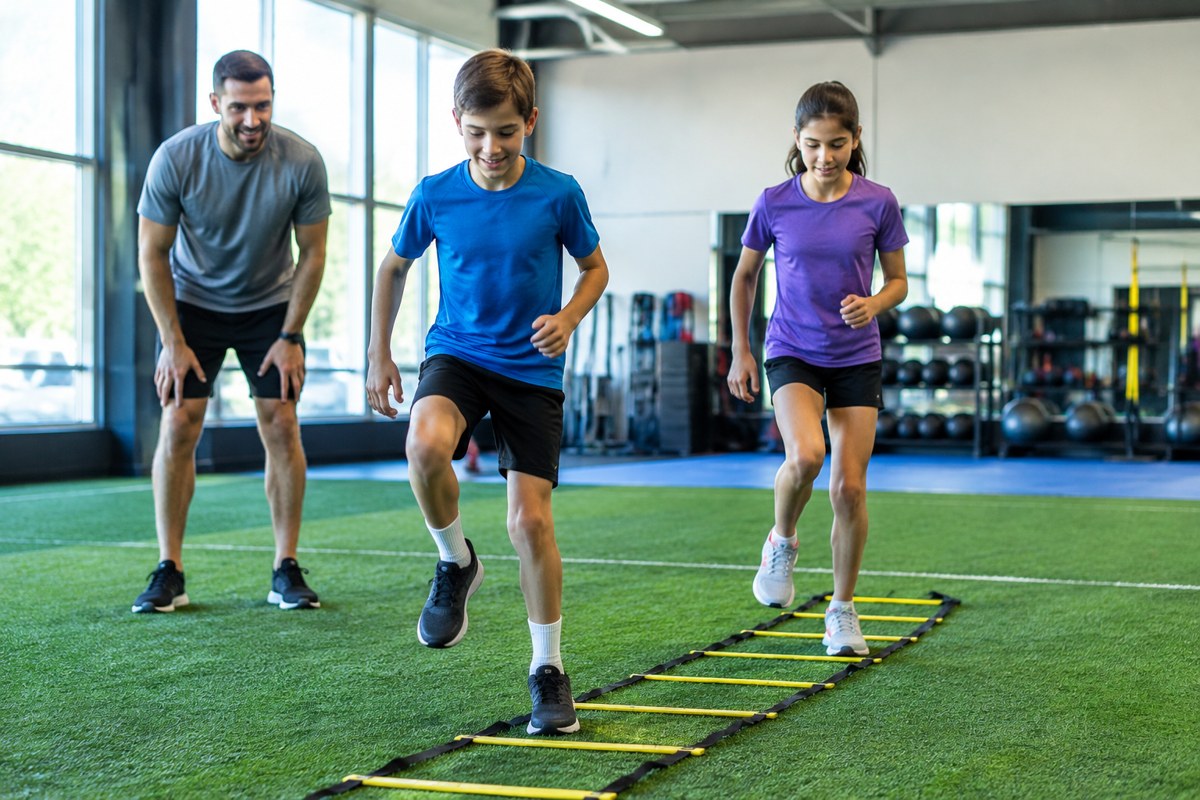
Growing athletes need more than talent and regular sports practice to reach their full potential. They need strength, speed, flexibility, balance, and endurance to perform well and stay healthy. Whether a child enjoys soccer, basketball, baseball, swimming, or another sport, building a strong physical foundation can make a meaningful difference.
This is where youth fitness training comes in. A well-designed fitness program helps young athletes develop essential physical skills while learning healthy habits that can last a lifetime. It also teaches them how to move correctly, understand their bodies, and approach physical challenges with confidence.
However, youth fitness is not about lifting heavy weights or pushing children beyond their limits. Instead, it focuses on age-appropriate exercises, proper movement techniques, and gradual progress. With the right guidance, children can improve their athletic abilities while enjoying the process.
In this guide, we will explore the major benefits of youth fitness training, explain why structured exercise matters, and share practical ways parents can support their children's athletic development.
1. Builds Strength and Supports Healthy Growth
Strength is an important part of athletic development. Young athletes use their muscles for almost every movement, including running, jumping, throwing, kicking, and changing direction. Developing strength early helps children perform these movements with better control.
One of the biggest benefits of youth fitness training is that it introduces children to safe and effective ways to build muscular strength. Exercises such as bodyweight squats, lunges, push-ups, and resistance-band movements help develop stronger muscles without placing unnecessary stress on growing bodies.
Moreover, strength training for young athletes does not have to involve heavy weights. Coaches can introduce simple exercises based on each child's age, experience, and physical ability.
Some useful strength-building activities include:
- Bodyweight squats to improve lower-body strength.
- Modified push-ups to develop upper-body strength.
- Planks to strengthen core muscles.
- Resistance-band exercises to improve muscle control.
- Lunges to develop balance and leg strength.
With proper supervision, these activities help children develop better movement patterns. They also prepare young athletes for more demanding sports activities as they grow.
2. Improves Speed, Agility, and Athletic Performance
Speed and agility play an important role in almost every sport. A soccer player needs to accelerate quickly, while a basketball player must change direction without losing balance. Similarly, baseball players need quick reactions when running between bases.
Sports performance training for youth focuses on developing these essential abilities through structured exercises. Instead of simply asking children to run faster, coaches teach them how to move efficiently, maintain balance, and control their bodies.
For example, speed and agility training for youth may include short sprints, ladder drills, cone exercises, jumping activities, and reaction-based games.
These activities help young athletes:
- Improve acceleration and running technique.
- Change direction with better control.
- Develop quicker reactions.
- Improve coordination between movements.
- Build confidence during competitive activities.
Additionally, regular practice helps children understand how to use their speed effectively. Over time, they can become more comfortable with the physical demands of their favorite sports.
3. Reduces the Risk of Sports-Related Injuries
Children who participate in sports often repeat the same movements during practice and competition. Although these activities help develop specific skills, repetitive movements can place stress on certain muscles and joints.
A balanced fitness program can help address these challenges by improving strength, flexibility, stability, and movement control.
Youth strength and conditioning programs teach children how to land safely, maintain proper posture, and control their bodies during physical activity. These skills can reduce unnecessary stress during running, jumping, and sudden changes in direction.
For example, learning proper landing techniques can help young basketball players develop better control when jumping for rebounds. Similarly, stronger core muscles can help athletes maintain stability during quick movements.
A well-rounded training routine should include:
- Dynamic warm-ups before exercise.
- Strength exercises for major muscle groups.
- Balance and coordination activities.
- Proper jumping and landing techniques.
- Cool-down exercises after training.
However, no training program can eliminate every injury risk. Rest, recovery, appropriate coaching, and proper sports equipment also play important roles in keeping young athletes healthy.
4. Develops Confidence and Mental Strength
Physical fitness is not just about improving athletic performance. It can also have a positive impact on a child's confidence and mental development.
When children learn new exercises, overcome challenges, and notice improvements, they begin to believe in their abilities. Even small achievements, such as completing a new drill or improving running speed, can create a strong sense of accomplishment.
Fitness training for young athletes also teaches valuable mental skills. Children learn patience, discipline, consistency, and the importance of setting realistic goals.
For instance, a young athlete who struggles with balance exercises may initially find them difficult. However, with regular practice and encouragement, that athlete can gradually improve.
This process teaches children that progress takes time and effort.
Furthermore, group training sessions can help children develop social skills. They learn how to communicate, encourage teammates, follow instructions, and respect others.
These lessons can benefit them both on and off the field.
5. Improves Coordination, Balance, and Flexibility
Good athletic performance depends on more than strength and speed. Children also need coordination, balance, and flexibility to move confidently and efficiently.
Athletic training for kids introduces exercises that help develop these important physical abilities. Activities such as single-leg balances, hopping, skipping, crawling, and controlled jumping encourage children to understand how their bodies move.
Better coordination helps athletes perform complex movements with greater control. For example, a soccer player needs to coordinate footwork with visual awareness while controlling the ball.
Balance is equally important. It helps children maintain stability while running, landing, turning, and changing direction.
Flexibility also supports comfortable movement. Age-appropriate mobility exercises can help children move their joints through suitable ranges of motion.
Some effective activities include:
- Single-leg standing exercises.
- Skipping and hopping drills.
- Dynamic stretching.
- Controlled jumping movements.
- Balance games using different positions.
Together, these activities support overall physical fitness for young athletes and create a strong foundation for different sports.
6. Encourages Healthy Habits and an Active Lifestyle
Children develop many of their lifestyle habits during their early years. Introducing regular physical activity can help them understand the importance of staying active as they grow older.
One of the most valuable benefits of youth fitness training is that it makes exercise a normal and enjoyable part of everyday life.
Rather than viewing physical activity as something they must do, children can learn to see it as an opportunity to have fun, develop skills, and spend time with others.
A structured fitness routine can also encourage healthy habits such as:
- Staying physically active throughout the week.
- Drinking enough water.
- Eating balanced and nutritious meals.
- Getting sufficient sleep.
- Taking appropriate rest between workouts.
Parents can support these habits by participating in outdoor activities, encouraging sports participation, and limiting excessive sedentary screen time.
Most importantly, children should understand that fitness is about feeling healthy and capable, not achieving a particular body shape or appearance.
When exercise becomes enjoyable, young athletes are more likely to maintain an active lifestyle throughout adulthood.
7. Supports Better Sports Performance and Skill Development
Every sport requires a different combination of physical abilities. Soccer players need endurance and agility, swimmers need muscular strength and mobility, and basketball players need jumping power and coordination.
However, many of these physical abilities overlap. Developing a strong fitness foundation can help children become more prepared for the demands of their chosen sports.
Youth athletic development focuses on improving general movement skills before introducing more advanced training techniques.
For example, a young basketball player may benefit from exercises that improve jumping ability, balance, and lateral movement. A young soccer player may need additional focus on acceleration, endurance, and lower-body strength.
A good training program can include:
- Movement preparation and warm-ups.
- Sport-specific movement drills.
- Basic strength exercises.
- Speed and agility activities.
- Balance and coordination training.
These activities help young athletes become more physically prepared for practices and competitions.
However, training should complement regular sports practice rather than replace it. Children also need opportunities to play, explore different activities, and develop their natural interests.
8. Provides Age-Appropriate Training and Individual Attention
Every child develops at a different pace. Two athletes of the same age may have very different levels of strength, coordination, experience, and physical maturity.
Therefore, fitness programs for young athletes should never follow a one-size-fits-all approach.
A good coach considers each child's abilities, interests, training experience, and individual goals before creating an exercise routine.
Younger children may benefit from playful movement activities, obstacle courses, balance games, and basic bodyweight exercises. Older and more experienced athletes may gradually introduce structured resistance training, sprinting drills, and sport-specific conditioning.
A professional youth fitness program should focus on:
- Age-appropriate exercise selection.
- Proper movement techniques.
- Gradual increases in training difficulty.
- Individual progress and achievable goals.
- Regular recovery and rest.
- Positive coaching and encouragement.
Parents should also look for qualified coaches who understand youth development and can create a safe, supportive training environment.
The goal is simple: help every child improve at a comfortable pace while building confidence and enjoying physical activity.
How to Choose the Right Youth Fitness Training Program
Finding the right training program can make a significant difference in a child's experience. Parents should look beyond impressive promises and focus on the quality of coaching, exercise selection, and overall environment.
Before enrolling your child, consider the following factors:
1. Qualified Coaches: Choose trainers who understand child development, exercise techniques, and age-appropriate conditioning.
2. Personalized Training: Look for programs that consider your child's current fitness level, sport, and individual goals.
3. Balanced Exercise Plans: A good program should include strength, flexibility, coordination, endurance, and agility.
4. Safe Training Environment: Make sure the facility uses suitable equipment and provides proper supervision.
5. Positive Atmosphere: Children should feel encouraged rather than pressured to compete or perform beyond their abilities.
6. Consistent Progress: Look for gradual improvements in movement quality, confidence, and physical abilities rather than quick results.
A quality program should make children feel supported, motivated, and excited to return for their next session.
Final Thoughts
Building athletic ability takes time, patience, and consistent effort. With the right approach, youth fitness training can help children develop strength, speed, coordination, balance, and confidence while creating healthy habits for the future.
More importantly, fitness should remain enjoyable. Children need opportunities to explore different movements, learn new skills, and celebrate their progress without unnecessary pressure.
Whether your child is just starting a sport or already participates in regular competitions, a structured and age-appropriate fitness program can provide valuable support.
At CS Sports and Fitness, the focus should be on helping young athletes build a strong physical foundation through appropriate training, positive coaching, and consistent development.
Ready to support your child's athletic journey? Visit CS Sports and Fitness to explore fitness training opportunities and take the first step toward a healthier, stronger, and more confident young athlete.
FAQs
1. What is youth fitness training?
Youth fitness training involves age-appropriate exercises that improve children's strength, speed, balance, flexibility, and coordination.
2. At what age can children start fitness training?
Children can participate in age-appropriate physical activities from an early age. Structured programs should match their development and abilities.
3. Is strength training safe for young athletes?
Yes. Properly supervised strength training with suitable exercises, correct techniques, and appropriate resistance can be safe for children.
4. How often should young athletes train?
Training frequency depends on age, sports participation, fitness level, and recovery needs. A qualified coach can recommend a suitable schedule.
5. Does youth fitness training improve sports performance?
Yes. It can improve strength, speed, agility, endurance, and coordination, helping children develop important athletic skills.