
What Are the Benefits of Residential Personal Training?
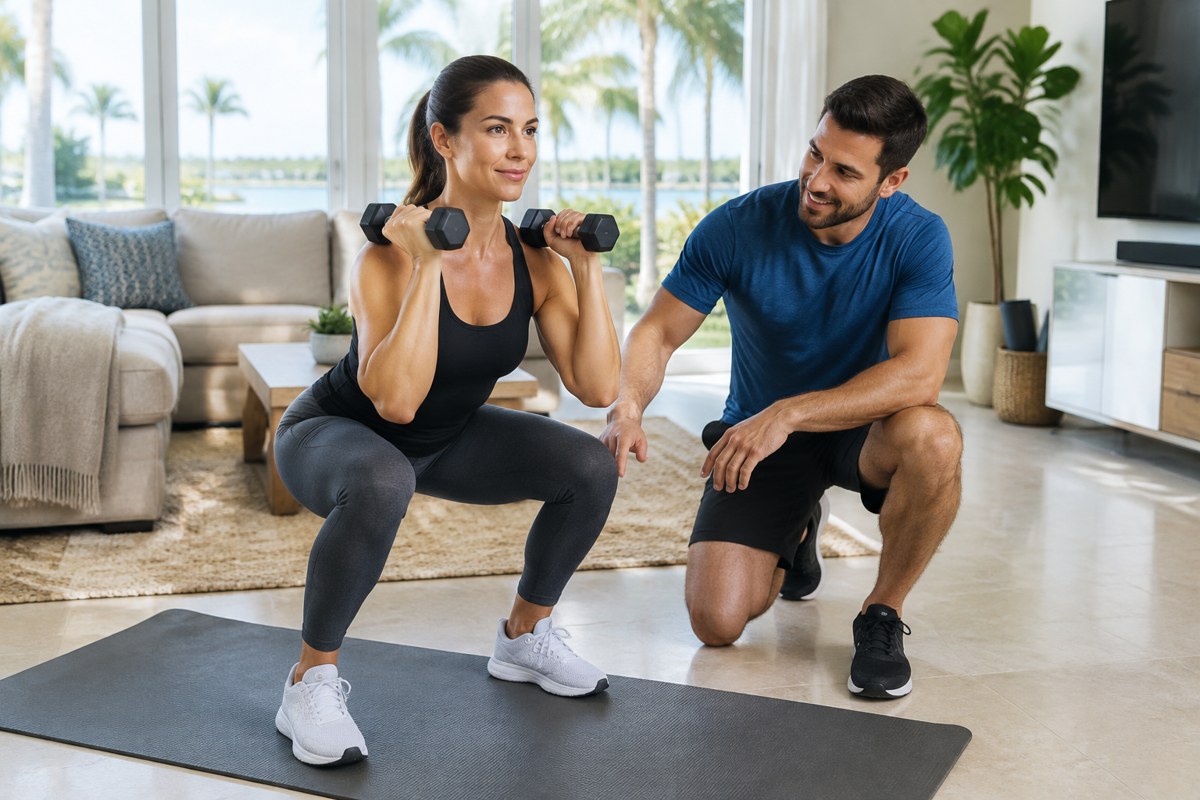
Getting fit does not have to mean driving to a crowded gym, waiting for equipment, or changing your entire daily routine. Sometimes, the best place to start your fitness journey is right at home. Residential personal training makes it easier to stay active by bringing professional fitness guidance directly to your living space. Whether you want to lose weight, build muscle, improve flexibility, or simply feel healthier, working with a personal trainer at home can make a real difference.
Unlike traditional gym workouts, residential personal training focuses on your individual needs, fitness level, and personal goals. You do not have to worry about crowded workout areas or feeling uncomfortable around other people. Instead, you receive focused attention and practical guidance in a familiar environment.
Moreover, in-home personal training offers flexibility that fits busy lifestyles. You can exercise around your work schedule, family responsibilities, and everyday commitments. With the right trainer, you can build healthy habits without making fitness feel like another stressful task.
So, what makes this approach worth considering? Let's explore the biggest benefits of residential personal training and how it can help you create a healthier, stronger, and more active lifestyle.
1. Enjoy the Convenience of Working Out at Home
One of the biggest benefits of personal training at home is convenience. You do not need to drive to a fitness center, search for parking, or spend extra time getting ready for a gym session. Your workout takes place in a comfortable space where you already feel relaxed.
The convenience of home workouts can also help you stay consistent. When exercise becomes easier to fit into your daily routine, you are more likely to make it a regular habit. For busy professionals, parents, and people with demanding schedules, this can be a major advantage.
For example, you can schedule a morning workout before work or enjoy an afternoon training session while your schedule allows. This flexibility makes home fitness training a practical option for people who want to stay active without unnecessary travel.
Why home workouts are convenient:
- Save time by avoiding daily trips to the gym.
- Exercise in a familiar and comfortable environment.
- Spend more time focusing on your fitness goals.
- Avoid waiting for exercise machines and equipment.
- Make fitness easier to manage alongside family and work.
2. Get Personalized Workout Plans That Match Your Goals
Everyone has different fitness needs. Some people want to lose weight, while others want to gain strength, improve endurance, or increase mobility. Following the same workout routine as everyone else may not give you the results you want.
This is where personalized workout plans become valuable. A professional trainer can assess your current fitness level, understand your goals, and create a routine that works for you.
With private personal training, your workouts focus on your abilities rather than following a general gym program. Your trainer can also adjust exercises as you improve, helping you progress at a comfortable and manageable pace.
For instance, a beginner may start with bodyweight exercises and light resistance training. Someone with more experience may benefit from strength exercises, endurance sessions, and advanced movement techniques.
A personalized workout plan may include:
- Strength training to build stronger muscles.
- Cardio exercises to support heart health.
- Mobility exercises to improve movement.
- Flexibility training to support daily activities.
- Recovery sessions to help manage workout fatigue.
The goal is simple: follow a program designed around your needs, not someone else's fitness journey.
3. Receive One-on-One Attention From a Professional Trainer
Working with a personal trainer at home gives you the opportunity to receive individual attention throughout your workout. Instead of sharing your trainer's time with several gym members, you can focus on your exercises with direct guidance.
One-on-one personal training also helps you learn proper exercise techniques. Your trainer can demonstrate movements, correct your posture, and explain how to perform each exercise safely.
This attention is particularly helpful for beginners who may feel unsure about using equipment or performing unfamiliar movements. It can also benefit experienced individuals who want to improve their technique and overcome fitness plateaus.
Furthermore, having someone guide your progress can make workouts more engaging. Your trainer can introduce new exercises, adjust the intensity, and encourage you when a workout becomes challenging.
Some advantages include:
- Individual guidance during every workout.
- Better understanding of exercise techniques.
- Regular feedback on your performance.
- Training adjustments based on your progress.
- Greater accountability and encouragement.
4. Build Consistency With Flexible Workout Schedules
Finding time to exercise can be difficult when you have a busy lifestyle. Between work, family responsibilities, social commitments, and everyday errands, fitness can easily move to the bottom of your priority list.
Residential personal training makes scheduling easier. Rather than planning your day around gym opening hours, you can arrange sessions with your trainer based on your availability.
Flexible workout schedules can help you maintain a more consistent routine. For example, you might prefer three morning sessions during the week or shorter afternoon workouts when your schedule allows.
Additionally, a professional trainer can help you find a realistic training frequency. You do not need to exercise every day to make progress. The important thing is to create a sustainable routine that allows enough time for recovery.
Tips for staying consistent:
- Choose workout times that fit your daily routine.
- Set realistic weekly fitness goals.
- Avoid starting with an overly demanding schedule.
- Track your workouts and celebrate small achievements.
- Make rest and recovery part of your routine.
Remember, consistency matters more than occasional intense workouts.
5. Enjoy a Comfortable and Private Fitness Environment
Not everyone feels comfortable exercising in a busy gym. Some people feel self-conscious about their appearance, fitness level, or exercise technique. Others simply prefer a quieter environment where they can focus without distractions.
In-home personal training provides a more private experience. You can exercise in your own space without worrying about crowded equipment or unfamiliar surroundings.
This can be especially helpful for beginners who are still developing confidence. Instead of feeling pressured to keep up with others, you can learn at your own pace and gradually become more comfortable with different exercises.
Private personal training also allows you to discuss your fitness concerns openly with your trainer. You can ask questions, request modifications, and work toward your goals without feeling uncomfortable.
However, privacy does not mean sacrificing professionalism. A qualified trainer should still provide structured workouts, clear instructions, and appropriate fitness guidance.
6. Follow Customized Fitness Programs for Better Progress
A workout routine should change as your body becomes stronger and your fitness improves. Repeating the same exercises at the same intensity may eventually limit your progress.
Customized fitness programs help prevent this problem by adapting your workouts to your changing needs.
For example, if your goal is to improve strength, your trainer may gradually increase resistance or introduce more challenging exercises. If you want to improve endurance, your program may include different cardio activities and conditioning exercises.
Your trainer can also monitor how you respond to each workout. If an exercise feels too difficult or causes discomfort, they can recommend a suitable alternative.
Customized fitness programs can focus on:
- Weight management and overall fitness.
- Muscle development and strength.
- Cardiovascular endurance.
- Balance, flexibility, and mobility.
- Functional movements for everyday activities.
The key is to make steady progress without rushing your body. A well-planned program should challenge you while respecting your current abilities and recovery needs.
7. Make Fitness More Suitable for Your Family and Lifestyle
Fitness does not always have to be an individual activity. Residential fitness programs can also make it easier for families and couples to become more active together.
For example, partners may choose to schedule separate sessions with the same trainer, while family members can explore suitable activities based on their individual fitness levels.
This approach can help create a healthier home environment. When exercise becomes part of your household routine, it may encourage everyone to take their health and physical activity more seriously.
Another advantage is that you do not have to leave home for every workout. This can be helpful for parents who want to stay active while managing childcare and other responsibilities.
However, every family member should receive exercises appropriate for their age, abilities, and fitness goals. A professional trainer should never use one workout plan for everyone without considering individual needs.
8. Improve Motivation, Accountability, and Long-Term Habits
Starting a fitness routine is often easier than maintaining one. Many people feel motivated during the first few weeks but struggle to stay committed when progress becomes slower.
Home-based fitness coaching can help you overcome this challenge. Having scheduled appointments with a trainer gives you a reason to show up, even on days when motivation is low.
Your trainer can also help you track your performance and recognize improvements that might otherwise go unnoticed. Perhaps you can complete more repetitions, lift slightly heavier weights, or move with better control than before.
These small achievements can make a big difference in your confidence.
Moreover, a personal fitness coach can help you develop healthier habits beyond your workout sessions. You may receive practical advice about recovery, daily movement, exercise consistency, and setting realistic goals.
The purpose is not simply to complete a few training sessions. It is to build a routine that you can maintain for the long term.
9. Learn to Exercise Safely and With Better Technique
Proper exercise technique is essential for getting the most out of your workouts. Performing movements incorrectly can reduce their effectiveness and increase the risk of injury.
Residential personal training allows your trainer to observe your movements closely and provide corrections when needed.
For example, your trainer may help you improve your posture during squats, maintain better control during resistance exercises, or adjust your movement patterns to suit your abilities.
This guidance is useful for beginners and experienced fitness enthusiasts alike.
If you have an existing injury, medical condition, or physical limitation, discuss it with an appropriate healthcare professional before beginning a new exercise program. Your trainer should also understand any relevant restrictions and modify your workouts accordingly.
Safety should always come before workout intensity.
10. Get More Value From Your Fitness Investment
Joining a gym is not the only way to invest in your health. In-home personal training offers another option for people who value individual attention, convenience, and structured guidance.
Although private training may have a higher session cost than a standard gym membership, it provides a different experience. You receive dedicated coaching, a workout plan based on your needs, and guidance in your own environment.
You may also save money on transportation and avoid paying for gym facilities you rarely use.
The real value depends on your goals, budget, trainer qualifications, and how consistently you attend your sessions.
Before choosing a service, ask about session pricing, trainer experience, available packages, and what each program includes. This helps you make an informed decision.
How to Choose the Right Residential Personal Trainer
Choosing the right trainer is an important step toward building a successful fitness routine. A good trainer should understand your goals, communicate clearly, and make you feel comfortable during workouts.
Before committing to a program, consider these important factors:
- Qualifications: Check the trainer's certifications and relevant experience.
- Training approach: Ask whether they create personalized workout plans.
- Communication: Choose someone who listens to your concerns and explains exercises clearly.
- Flexibility: Look for flexible workout schedules that suit your lifestyle.
- Safety: Make sure the trainer understands proper techniques and exercise modifications.
- Progress tracking: Ask how they measure improvements and adjust your program.
Most importantly, choose a trainer who respects your individual needs. Your fitness journey should feel supportive, motivating, and achievable.
If you are exploring professional fitness support, visit CS Sports and Fitness to learn more about available fitness services and training options.
Final Thoughts
Residential personal training offers a practical way to make fitness part of your everyday life. From personalized workout plans and one-on-one coaching to flexible schedules and a comfortable training environment, it provides several advantages over traditional workout routines.
More importantly, it helps remove common barriers that prevent people from staying active. You can save travel time, receive professional guidance, and follow a program designed around your personal goals.
However, the best fitness program is one you can follow consistently. Start with realistic expectations, communicate openly with your trainer, and give yourself time to improve.
You do not need a perfect routine or an expensive home gym to begin. With the right guidance and commitment, your home can become the starting point for a stronger, healthier lifestyle.
Ready to take the next step? Explore CS Sports and Fitness and discover how professional training can help you move closer to your fitness goals.
FAQs
1. What is residential personal training?
Residential personal training involves working with a professional fitness trainer at your home or residential community.
2. Is in-home personal training effective?
Yes. It can be effective when workouts match your fitness goals, abilities, and schedule.
3. Do I need gym equipment for home fitness training?
No. Many exercises use body weight, resistance bands, or simple equipment. Your trainer can recommend what you need.
4. How often should I work with a personal trainer?
Many people start with two or three sessions per week. Your ideal schedule depends on your goals and fitness level.
5. Is private personal training good for beginners?
Absolutely. Beginners can receive individual guidance, learn proper techniques, and build confidence.